
Staying at Palace Hotel Tokyo is less about indulgence and more about intention. This is a hotel chosen with purpose, and for me that purpose was location, rhythm, and access to one of the most unique urban running routes in the world.
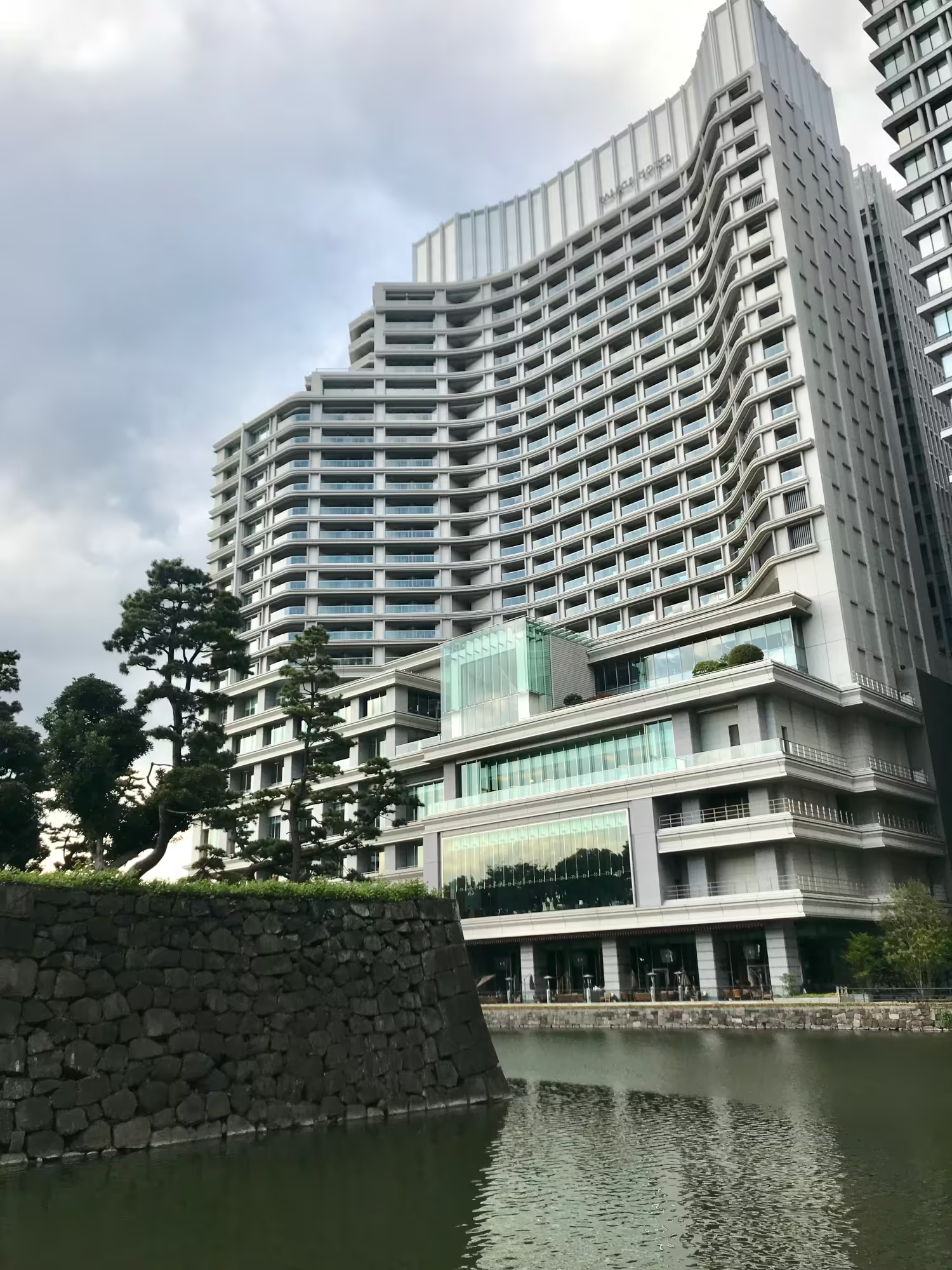
The hotel’s defining feature is its proximity to the Imperial Palace. The views can be beautiful, but this is where a small caution is warranted. Some rooms that directly face the palace gardens come with structural window elements that partially obstruct the view and limit natural light. On paper, a “direct Imperial Palace view” sounds ideal. In practice, it can feel surprisingly enclosed.
A better option, in my experience, is to choose a room facing the side with an open outlook and a balcony. These rooms trade the postcard-perfect garden alignment for light, openness, and a sense of space. The view is still pleasing, just less formal, and the balcony adds a tangible connection to the outdoors that matters more than expected.
What truly elevates this hotel is what happens when you step outside. The Imperial Palace loop is right there. One full circuit is roughly five kilometres, making it a near-perfect running route. Flat, scenic, car-free, and used daily by locals and visitors alike. Morning jogs are effortless: leave the lobby, start running, finish strong, return for breakfast. That simplicity was a major reason we chose this hotel, and it delivered exactly as hoped.
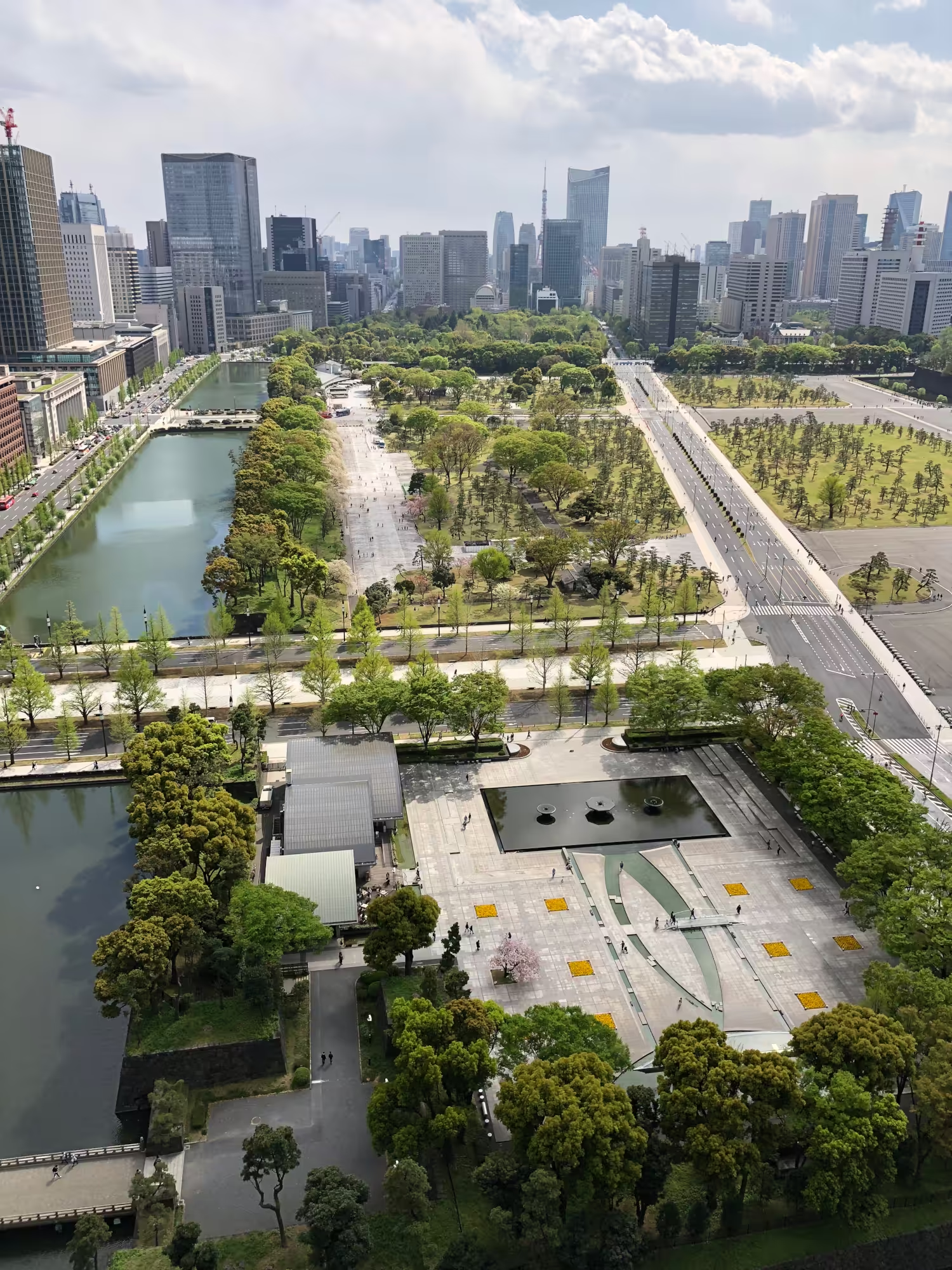
The location is also well judged in relation to Tokyo Station. It is close enough to walk comfortably, even with luggage, yet not so close that the area feels hectic. There is an underground passage from Tokyo Station that brings you almost all the way to the hotel, making arrivals and departures smooth and weather-proof. Taxis are an option, but rarely necessary.
In terms of room quality, it is worth setting expectations. Compared with Shangri-La Tokyo, and certainly when measured against Mandarin Oriental Tokyo, the rooms here feel more restrained. They are comfortable, well maintained, and thoughtfully designed, but not destination rooms in themselves. This is not a hotel you choose for interior drama or opulence. You stay here because you value access, routine, and location over spectacle.
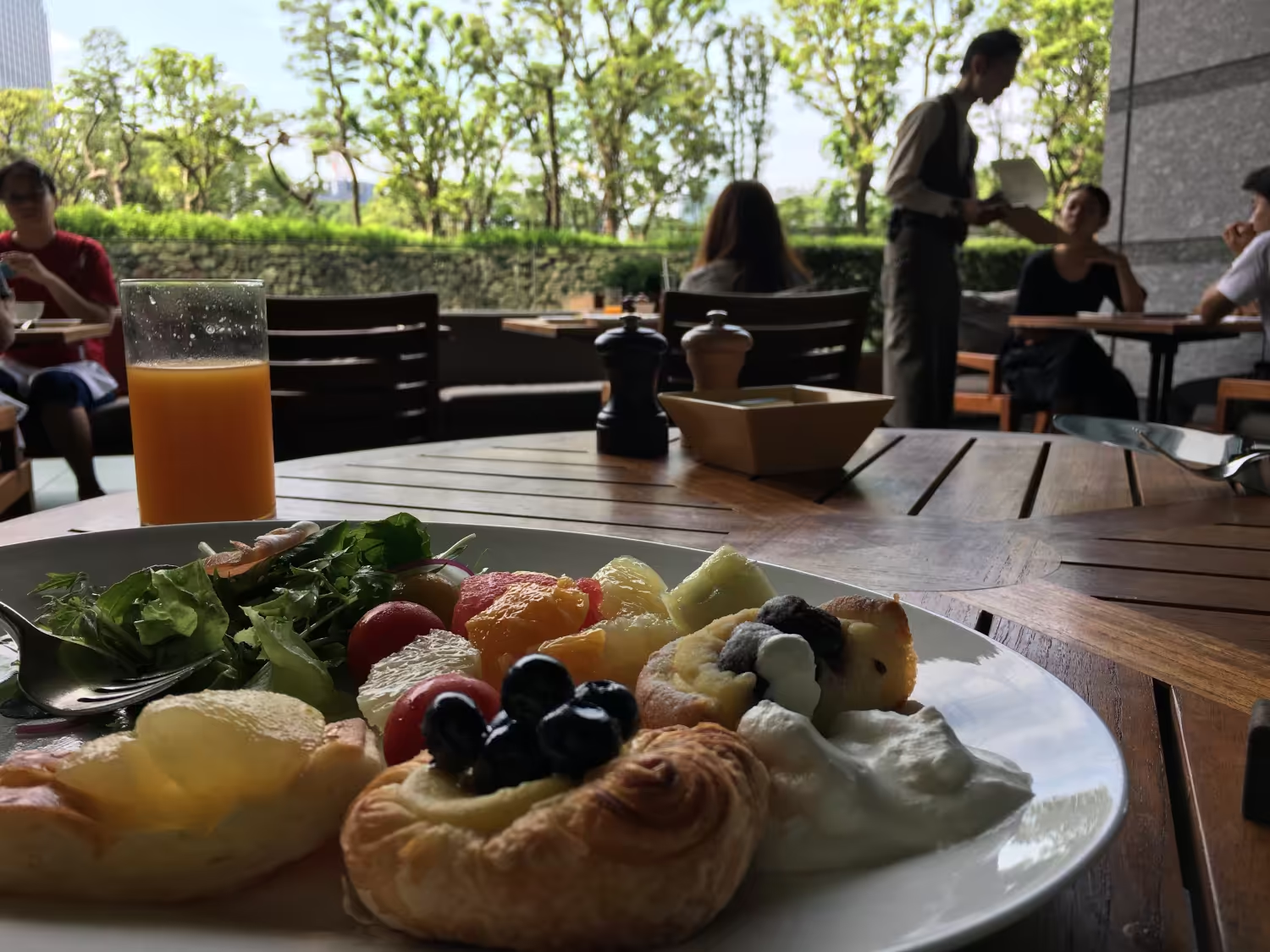
Breakfast is served on the ground floor and is solid rather than exceptional. Going early makes a difference, as the space fills quickly. Taken before a morning run or immediately after, it fits neatly into the day rather than becoming an event of its own.
Check-in is efficient and uncomplicated. The front desk staff speak good English and handle everything smoothly. Room service English can occasionally be limited, but this is easily solved by calling reception directly, who will coordinate without friction.
Connectivity is another quiet strength. The hotel has a direct connection to a subway station, which makes moving around Tokyo effortless if you are not in the mood to walk back to Tokyo Station. This flexibility adds up over a longer stay.
Shopping is not integrated into the hotel itself, but this is hardly a drawback. The Marunouchi area offers plenty of retail options, and the Tokyo Station basement mall is one of the city’s most convenient and well-curated shopping areas. Daimaru at Tokyo Station is also an easy and reliable choice.
Overall, Palace Hotel Tokyo is a strong and thoughtful option, particularly for travellers who value movement, proximity to nature, and a calm base in the centre of the city. Pricing is the main variable to watch. During cherry blossom season, rates can climb sharply, and at peak prices the value equation becomes less compelling.
At the right price, and with the right room choice, this hotel does exactly what it promises: it simplifies Tokyo, slows it down, and makes space for daily rituals that matter.